
If you run a small business in the UK, you know that the government encourages using CCTV systems for the protection of your assets, staff, and customers. While there is no strict requirement for having such a system, the authorities require companies to register their details with the Information Commissioner’s Office if they use cameras for monitoring.
So, having a dedicated video surveillance setup helps you comply with the national safety expectations. However, the question is, what types of CCTV systems should you use for your workplace? If you have no idea, this guide will be invaluable to you. In this post, we will familiarise you with the best commercial CCTV systems and explain how different CCTV systems for business can support small companies across the UK.
But before that, let’s first understand why it is important to have camera systems for small brands.
Why Are Commercial Surveillance Camera Systems Necessary?
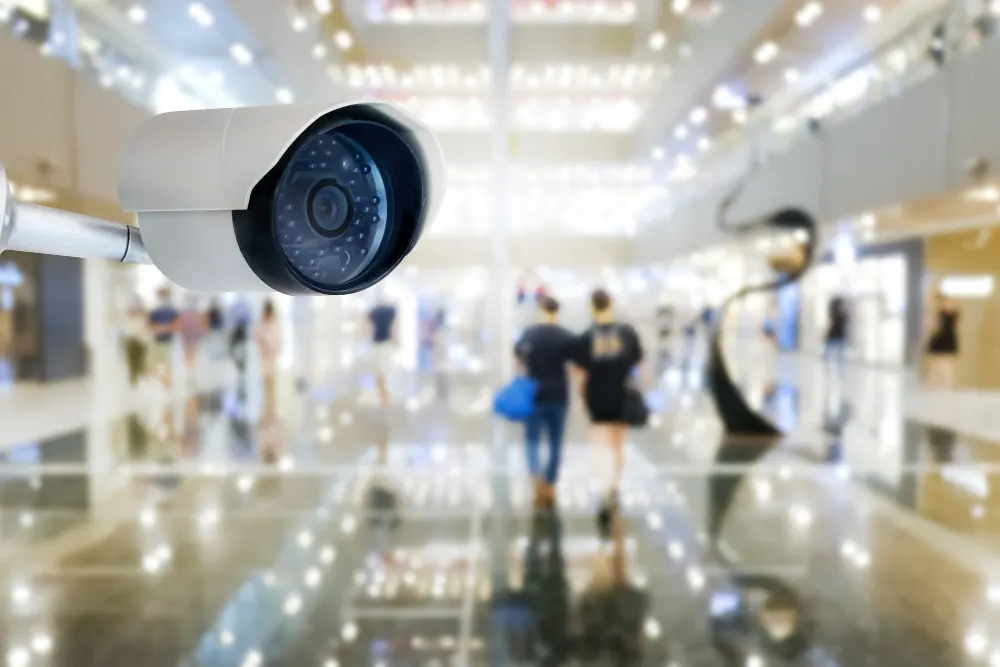
Security is the need of every business, whether it’s small or large. While there are several other options for workplace safety, CCTV cameras add a strong layer of protection. Here is how they keep your company running safely:
Protect Business Assets
One of the biggest benefits of surveillance cameras is that they prevent the theft of business assets. For example, let’s say that you run a small retail store in the UK. When you install multiple smart visual monitoring devices, it directly conveys that your business is under surveillance. This indication stops intruders and criminals from stealing your products.
Strengthen People’s Protection
CCTV cameras don’t just save your property and its assets but also the lives of people under monitoring. By accessing live footage, you can identify the threats early that put your staff or visitors at risk. As a result, you can take timely action to avoid life-threatening damage.
Minimise Crime Risks
Another advantage of the CCTV monitoring systems is that they allow you to detect crime before it happens. Even the Home Office Centre for Applied Science and Technology highlights the security benefit of cameras and considers them a key safety measure for small businesses.
Meet Compliance Needs
Many insurance companies in the UK require businesses to follow necessary security protocols, and using CCTV cameras is also one of them. With a high-end video surveillance setup already installed, you can meet insurers’ standards and document incidents when needed. The right commercial CCTV camera systems can also help you keep useful records of incidents, which may support insurance claims and internal investigations.
What Types of CCTV Systems Do Small Businesses Need?
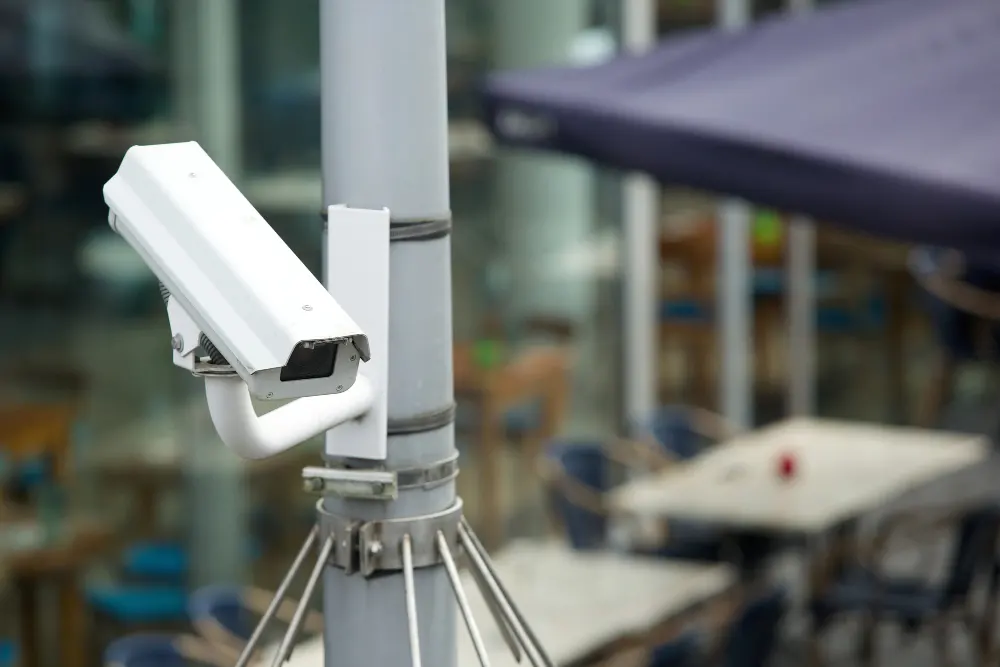
Small businesses can use more than one type of camera to ensure proper coverage. Instead, the visual recognition technology has advanced enough to provide a wide range of options so companies can choose the right fit for their workplace. Let’s walk through some of the most widely used CCTV camera systems and commercial video surveillance systems.
Pan Tilt and Zoom Cameras
PTZ, or pan-tilt-zoom, cameras can rotate, tilt, and zoom, enabling them to cover large outdoor areas. Their zooming feature also helps security teams view details like vehicle number plates or activity near entry points more clearly. Like many other cameras, they support active monitoring and become more beneficial when paired with fixed cameras.
Bullet Cameras
You might have seen long, barrel-like cameras installed on walls or ceiling mountings. These are actually bullet cameras that companies mostly use for indoor coverage. Their shape and lens adjustment make them a good option for long-range surveillance. Most such cameras come with built-in weather resistance, which varies by model. What makes them different is their ability to capture high-quality video at night.
Dome Cameras
Another type of CCTV Security system is the dome camera. Its video-capturing lens hides inside a high-quality plastic dome, which is partially transparent. Anyone on the ground can’t tell exactly where the camera is pointed, which creates a sense of hesitation and fear among intruders and criminals. With these cameras, you can monitor your business area in 360 degrees to ensure continuous security at your site.
IP CCTV Recorders
Another suitable option for small companies is IP CCTV recording. It’s especially useful for businesses with multiple locations within the same city. This particular system can capture videos at resolutions ranging from 1080p to 4K and send them directly over an IP network, eliminating the need for a local recording system. What makes it special is its ability to easily integrate with mobile devices, allowing you to monitor your workplace 24/7 from anywhere.
Eyeball Cameras
Eyeball or turret cameras are popular due to their unique structure. They basically have a ball-and-socket system that makes them capable of rotating in all directions. That means you can point them in any direction that you want to cover. Besides just recording footage, many models can detect alerts for threats and suspicious activity. They use Light Hunter technology to provide 24/7 footage of your workplace.
Fisheye Cameras
FishEye cameras convert distorted circular images into panoramic views that provide better coverage of large areas. With these commercial surveillance camera systems, you can capture all directions simultaneously by simply mounting the camera in the centre of the intended area.
Many fisheye cameras also support high-resolution video quality, typically ranging from 5MP to 12MP. Because one fisheye camera can often cover the same area as several standard cameras, businesses may reduce equipment and installation costs.
IR Night Vision Cameras
Not all small businesses operate during the day. Instead, some operate at night due to their service or product type. In fact, some facilities remain open 24/7, which necessitates strong security all the time. For such companies, infrared night-vision cameras are a good investment. They can detect infrared light even in complete darkness, allowing them to produce black-and-white footage with clarity.
Wireless CCTV Cameras
While these cameras are slightly pricier than others, they provide real value by keeping your commercial property safe. The name itself suggests you don’t need a dedicated recorder for these cameras. Why? Because they automatically transmit recorded videos to a router, which then streams them to a smartphone, tablet, or other connected device. At the same time, they save the footage on cloud storage for future reference.
Which Commercial CCTV Systems Suit Your Business?
Since every commercial CCTV system has different designs and capabilities, there is no one-size-fits-all solution for every business. Instead, every camera type serves better at a suitable facility, and it’s better to understand which type fits your workplace the best. So, let’s have a quick overview of what camera you should use to protect your commercial property.
| Camera Type | Camera View | Best For |
| PTZ Cameras | Adjustable wide and zoom views | Warehouses, parking lots |
| Bullet Cameras | Long-range fixed outdoor view | Storefronts, perimeters |
| Dome Cameras | Wide indoor coverage | Offices, restaurants |
| IP CCTV Recorders | Centralised HD video management | Multi-site businesses |
| Eyeball Cameras | Flexible angled monitoring | Shops, clinics |
| Fisheye Cameras | 180°–360° panoramic view | Supermarkets, lobbies |
| IR Night Vision | Clear low-light footage | 24/7 facilities |
| Wireless CCTV | Cable-free remote viewing | Small businesses, salons |
For many companies, choosing the best CCTV for small business use depends on the size of the premises, the number of entry points, lighting conditions, staff movement, and whether remote access or commercial CCTV monitoring is required. A shop may need dome and bullet cameras, while a warehouse may benefit more from PTZ cameras and professional monitoring.
Wrapping It Up
In a nutshell, you can choose between PTZ, Dome, Bullet, FishEye, and other types of CCTV systems to protect your business in the UK. However, before making a choice, make sure that you identify the needs of your workplace first and then decide on the right type of cameras for it.
But if you still feel unsure about which surveillance setup to go with, you can contact Fortify ES for personalised suggestions and professional installations. We will not only recommend the right solution but also install it at your workplace around your schedule. So, let’s discuss your CCTV needs and plan its installation together.
Whether you need commercial CCTV camera systems, security cameras for business installation, or a complete CCTV system for your workplace, Fortify ES can help you choose and install a setup that suits your site, budget, and security goals.
FAQs About Best Commercial CCTV Systems
There are 8 types of CCTV cameras that commercial properties can include for smart monitoring. These include PTZ, dome, eyeball, fisheye, night vision, wireless, bullet, and IP cameras. You can choose the best cameras among them based on your company’s type and surveillance needs.
Installing CCTV systems isn’t just about placing cameras and connecting them to power. Instead, it involves deciding the right position and angle as well as integrating the cameras with the footage recorder and smart mobile devices. That means you ultimately need professional help in this regard.
For a basic surveillance system, you can expect the cost to be anywhere between £500 and £800. However, for businesses that need broader coverage and advanced integrations, the cost may rise to £5,000-£6,000. At Fortify ES, we provide you with custom quotes based on your site inspection.
A fisheye camera is usually pivoted around the centre of the area needed to monitor, while an eyeball is used to cover a specific angle. Besides that, there is a significant difference between the views of each, as one offers a 180° or 360° panoramic view while the other provides a wide-angle view at 90°.
You can easily connect CCTV cameras to your smartphone. In fact, it’s one of the main features of advanced cameras. Once connected, you can see live footage and receive real-time alerts, enabling you to react instantly to potential threats.
The best CCTV for small business use depends on your premises, security risks, budget, and monitoring needs. For example, shops may benefit from dome and bullet cameras, while warehouses, parking areas, and large outdoor spaces may need PTZ cameras, night vision cameras, or commercial CCTV monitoring.
Yes, professional security cameras for business installation are recommended for most commercial properties. A professional installer can check your site, identify blind spots, position the cameras correctly, configure recording, connect mobile access, and make sure the system works reliably for your business.